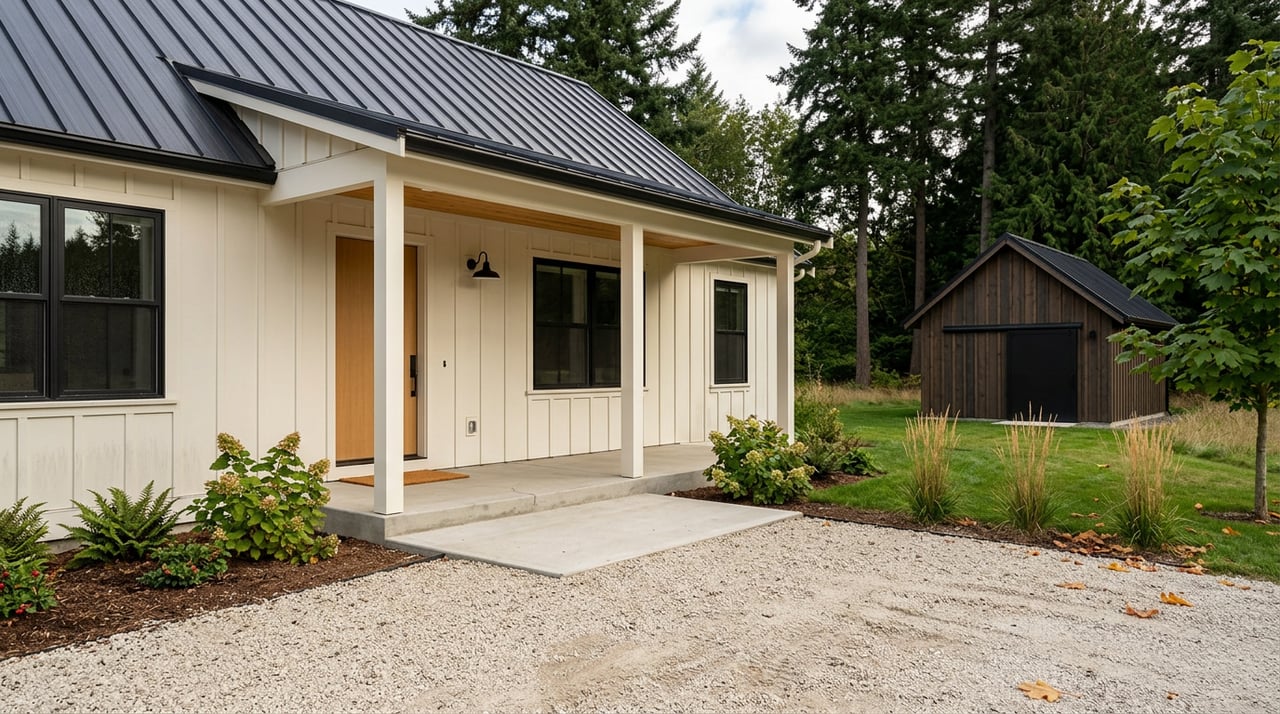
Dreaming of a little pasture, a bigger garden, or room for a barn in Battle Ground? Buying acreage or a small farm can be rewarding, but the details matter more than in a neighborhood subdivision. Zoning, wells, septic, and critical areas can shape what you build and how you use the land. This guide gives you the local steps, checklists, and links you need to buy with confidence. Let’s dive in.
Start with zoning and lot size
Before you fall in love with a property, confirm the zoning. Many “Battle Ground” listings are in unincorporated Clark County with rural designations like Rural‑5 (R‑5), Rural‑10 (R‑10), Rural‑20 (R‑20), and Agriculture‑20 (Ag‑20). These zones set minimum lot sizes, typical subdivision potential, and where agricultural uses and outbuildings fit. Always verify the parcel’s designation on the County’s adopted zoning map and GIS layers, not just the listing notes. You can review the adopted zoning map to confirm the designation and minimums in writing in the County’s resource library.
- Reference: See the County’s adopted zoning map to verify a parcel’s zoning and typical minimum lot size. Review the adopted zoning map.
Can you split the land later?
If a future split is part of your plan, start with current zoning and cluster rules. Clark County provides rural cluster and short‑plat options in some areas, which may allow smaller buildable lots in exchange for preserving open space. These paths are site specific and often hinge on minimum buildable area, road standards, and utilities. Get pre‑application feedback from County staff before you count on a split. Review the County’s cluster development background.
Check for critical areas and overlays
Wetlands, streams, habitat, steep slopes, floodplain, and critical aquifer recharge areas can narrow your building envelope. Many rural parcels require a wetland delineation, habitat review, or geotechnical report before permitting. Understanding these constraints early helps you site the home, septic, and outbuildings without surprises. Start with the County’s critical‑areas guidance and ask about any site‑specific overlays. Explore critical‑areas rules and updates.
Water: city, CPU, or a private well
Acreage water service in the Battle Ground area comes from three main sources. Some parcels connect to a municipal system run by Clark Public Utilities (CPU) or the City of Battle Ground. Others rely on private, permit‑exempt domestic wells or small community systems. Before you write an offer, you should know which option applies and whether a new connection is available. Request a written water‑availability letter from the purveyor if service is planned. Review CPU’s Water System Plan for service context.
If the property uses a private well, treat both physical and legal water availability as top priorities. Washington’s permit‑exempt domestic wells remain common in rural areas, but they still operate within state water law and may face curtailment where senior rights or instream flows apply. Ask for well logs, any pump test history, and water‑use records. To understand the legal framework and due‑diligence steps, review the state’s guidance on permit‑exempt wells. Read Washington’s permit‑exempt well guidance.
Septic: records, inspections, and risk
Most acreage outside the city uses on‑site septic systems. Clark County Public Health regulates design, permitting, and operations and maintenance. Before you close, request the as‑built septic permit, the Report of System Status, operation and maintenance records, and recent inspection results. Failing or undersized systems can be costly to fix, and County Public Health notes that repairs or replacements commonly run into the thousands. Check Clark County’s septic program and records.
Power, roads, and internet
Electric power in much of the county is provided by Clark Public Utilities. If you plan outbuildings, an arena, or a shop, ask CPU about service availability and any costs for line extensions or upgrades. Long runs, three‑phase power, and service to remote pads can add time and expense. CPU publishes service maps and planning documents, and you should request a utility availability review. See CPU’s system planning information.
Road access matters as much as utilities. Confirm you have legal access via a public road or recorded easement, and look for a road‑maintenance agreement if the driveway is private. New or modified driveways and culverts may require County Public Works permits. Use the County’s development review checklist to track required documents and site plans. Use the County development review checklist.
Broadband and cellular service vary across rural Clark County. Some parcels have cable or DSL, while others rely on fixed wireless or satellite. Check current provider and FCC maps for the specific address and confirm directly with local ISPs during your inspection period.
Permits, reports, and timelines
Plan for several months of review before building. Straightforward environmental reviews can move faster. Clark County processes some single‑feature critical‑area reviews under a streamlined Type I procedure with posted 21‑day decision targets once the application is complete. More complex reviews, SEPA checks, conditional uses, and full building permits take longer. Busy seasons and incomplete submittals extend timelines. Review Type I environmental permit guidance.
If you plan larger barns, covered arenas, or any commercial agricultural use, expect to discuss fire protection early. Fire flow assessments, hydrants, or sprinklers can be required at certain size thresholds or uses. Start with the County’s equestrian and agriculture building guidance, then confirm details with the local fire marshal. Read the equestrian and agriculture building guidance.
Budget for rural property costs
Rural properties often carry costs that do not show up in typical neighborhood homes. Build a budget that covers due diligence and likely upgrades.
- Well evaluation, drilling, and pump equipment. Ask for well logs and any pump test data. If a new well is needed, obtain quotes for drilling and pump installation.
- Septic repairs or replacement. County Public Health notes repairs or replacements often cost thousands, and advanced treatment systems can be more. Review the County’s septic information.
- Driveway work, culverts, and private road maintenance. Budget for grading, gravel, drainage, and winter upkeep. Use County standards when planning changes. Track requirements with the County checklist.
- Utility extensions and power upgrades. Long runs and three‑phase service add cost and time. Consult CPU’s planning materials.
- Environmental studies and mitigation. Wetland delineations, habitat assessments, and geotechnical reports are common on rural parcels. Start with the County’s critical‑areas overview.
Financing options for acreage and hobby farms
Conventional lenders vary in how they underwrite rural properties. Large tracts or land‑heavy values can affect loan programs, appraisals, and required down payments. Work with a lender that regularly finances acreage and understands wells, septic, and outbuildings.
If you plan an agricultural operation, explore the USDA Farm Service Agency’s programs. FSA offers direct and guaranteed Farm Ownership and Operating loans, including options for beginning farmers and down‑payment assistance where eligible. Connect with the local FSA office to review programs and requirements for your situation. Explore USDA FSA farm loan programs.
Showing‑day checklist for buyers
Use this quick list at a showing or when you request disclosures and documents. It will help you compare parcels and flag follow‑up steps.
- Zoning and parcel size. Confirm the designation and typical subdivision potential in the adopted zoning map. Verify zoning here.
- Water source and documents. Ask for a water‑availability letter if the parcel is served by a purveyor. For wells, request the well log and any pump tests. Review state guidance on permit‑exempt wells.
- Septic records. Request the as‑built, Report of System Status, O&M logs, and the most recent inspection. Check Public Health’s septic records portal.
- Critical areas. Ask if wetlands, streams, steep slopes, or floodplain are mapped on or near the parcel. Plan for studies if needed. Read the County’s critical‑areas overview.
- Access and roads. Verify legal access, any recorded road‑maintenance agreements, and County driveway standards. Use the development review checklist.
- Power and telecom. Request written utility availability and cost estimates for extensions or upgrades. Consult CPU’s planning information.
The bottom line
Buying acreage or a small farm near Battle Ground is about matching your vision to what the land and regulations allow. Confirm zoning, check for critical areas, secure water and septic documentation, and budget for utilities and access. Plan realistic permit timelines and work with a lender who understands rural properties. When you are ready to compare parcels or structure an offer that protects your interests, our team can help you move forward with clarity.
Ready to explore acreage or a hobby farm around Battle Ground? Connect with LeAnne Moore for local guidance, due‑diligence checklists, and a buyer strategy tailored to your goals.
FAQs
How do I confirm zoning for a Battle Ground acreage parcel?
- Look up the parcel in Clark County’s GIS and verify its designation against the adopted zoning map, which shows typical minimum lot sizes and rural categories like R‑5 or Ag‑20. Check the adopted zoning map.
What are my water options on rural acreage near Battle Ground?
- Parcels may connect to a municipal system run by Clark Public Utilities or the City of Battle Ground, or they may rely on private wells or small community systems. Ask for a written water‑availability letter or well documentation. See CPU’s Water System Plan.
What should I review for a property with a septic system?
- Request the as‑built septic permit, Report of System Status, O&M records, and recent inspection results. Repairs or replacements often cost thousands, so factor that into your budget. Review Clark County’s septic guidance.
How long do county permits and reviews usually take for rural sites?
- Simple critical‑area reviews processed as Type I decisions can move quickly when complete, while SEPA, conditional uses, and building permits can take weeks to months. Plan several months for overall review. See Type I permit timelines.
Can I build a barn or arena for small farm uses?
- Many outbuildings are allowed, but size, use, and occupancy drive requirements. Larger or commercial uses may trigger fire‑flow or sprinkler needs, so review county guidance and consult the fire marshal early. Read equestrian and ag building guidance.