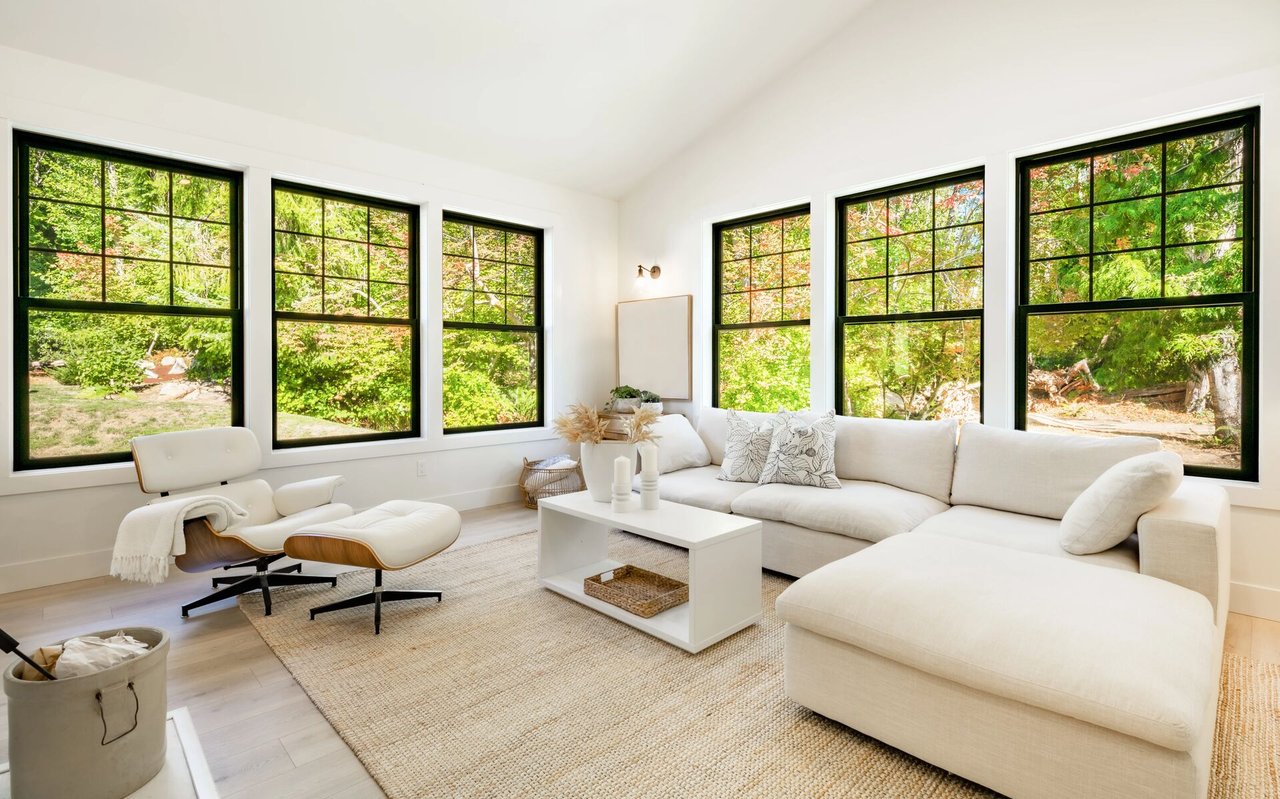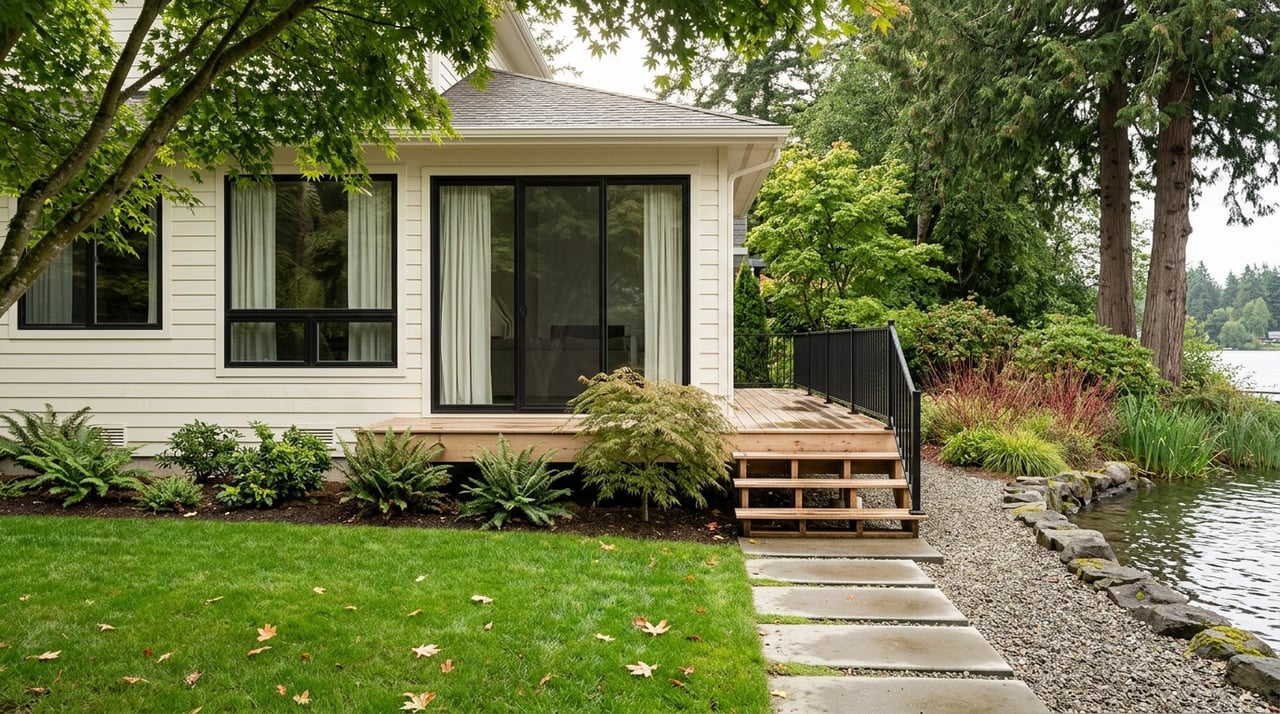
Looking for a neighborhood where water, green space, and everyday livability come together? If you are drawn to the idea of lake access, peaceful outdoor views, and established homes with room to spread out, Lake Shore deserves a closer look. This guide will help you understand what water-oriented living in Lake Shore really looks like, from recreation and park access to housing style and lifestyle fit. Let’s dive in.
Water-Oriented Living in Lake Shore
Lake Shore is a largely residential area in the Vancouver region with a strong connection to Vancouver Lake. That connection shapes the feel of the neighborhood more than retail or dense commercial activity. If you want a setting that feels grounded in nature and daily outdoor access, this area stands out.
The lifestyle here is less about marina culture and more about calm, scenic recreation. You are close to open water, shoreline views, and parkland that support a relaxed pace. For many buyers, that creates a strong sense of balance between home life and the outdoors.
Vancouver Lake Shapes the Lifestyle
Vancouver Lake is the anchor for Lake Shore’s identity. Clark County describes it as the county’s largest natural lake, covering about 2,300 acres with roughly seven miles of shoreline. With depths ranging from about 3 to 15 feet, the lake supports a different kind of water experience than deeper boating destinations.
In practical terms, this is a setting that tends to appeal to paddlers, rowers, kayakers, canoeists, and stand-up paddleboarders. The county’s paddling information points to calm, beginner-friendly conditions, which adds to the neighborhood’s approachable outdoor appeal. If you picture peaceful time on the water rather than high-speed boating, Lake Shore may feel like a natural fit.
Vancouver Lake Regional Park Adds Everyday Access
One of the biggest advantages of living near Lake Shore is access to Vancouver Lake Regional Park. Clark County says the park spans 190 acres and stretches 2.5 miles along the west shore of Vancouver Lake. That gives you a substantial public amenity that supports both active recreation and simple downtime outdoors.
The park offers picnicking, windsurfing, sand volleyball, and easy access to the water for kayaking and canoeing. It also hosts rowing competitions and can offer views of Mount Hood, Mount St. Helens, and Mount Adams on clear days. Those details help explain why the area feels open, scenic, and strongly tied to the landscape.
A Green, Open Feel
Lake Shore’s water-oriented lifestyle is also about what surrounds the lake. Clark County notes that much of Vancouver Lake’s shoreline is conserved for wildlife habitat, especially migratory waterfowl. That preserved shoreline contributes to the area’s spacious, natural character.
If you enjoy birds, open skies, and a less built-up feel, that can be a meaningful part of the neighborhood experience. Instead of an urban waterfront atmosphere, Lake Shore offers something quieter and more grounded in parkland and habitat. For many buyers, that is exactly the appeal.
Trails and Nearby Parks Support Daily Recreation
Water access is a major draw, but the outdoor lifestyle in Lake Shore goes beyond the shoreline. Clark County says a 2.5-mile paved trail links Vancouver Lake Regional Park with Frenchman’s Bar Regional Park. That trail connection adds another layer of usability for walks, bike rides, and easy weekend outings.
Nearby neighborhood parks also support the area’s everyday outdoor rhythm. Jack Z. Fazio Neighborhood Park in Lakeshore and Sorenson Neighborhood Park in the Felida and Lake Shore area add more options close to home. Together, these spaces reinforce the sense that recreation is built into daily life here.
What Water Recreation Is Realistic Here?
This is an important question, especially if you are comparing Lake Shore with other water-adjacent areas. Based on Clark County information, the strongest recreational fit here is paddling-oriented activity. Think kayaking, canoeing, rowing, stand-up paddleboarding, windsurfing, and relaxed shoreline use.
That makes Lake Shore well suited for buyers who want accessible, low-key recreation rather than a deep-water boating scene. It is more about getting outside often and enjoying the lake in simple, repeatable ways. If your ideal weekend includes launching a paddleboard or walking near the water, this area delivers that lifestyle story well.
A Practical Note About Seasonal Conditions
It is also helpful to understand the lake with clear expectations. Clark County notes that Vancouver Lake can periodically experience algae blooms, which may temporarily affect swimming and other water-contact uses. That does not erase the lifestyle value of the lake, but it does shape how you should think about it.
In other words, Vancouver Lake is best viewed as a scenic, recreation-first amenity rather than a guaranteed all-season swimming destination. Buyers who understand that nuance tend to evaluate the area more confidently. The lake remains a major asset, but the most accurate expectation is broad outdoor enjoyment with some seasonal variability.
Homes in Lake Shore
The housing stock in Lake Shore tends to reflect an established neighborhood with variety over time. Descriptive neighborhood data indicates many homes were built in the late 1960s and 1970s, especially ranch-style and split-level homes. Newer traditional homes from the 1990s and 2000s are also part of the mix.
That blend gives buyers several possible paths. You may find a home with original character, a remodeled property with updated finishes, or a newer residence with a more modern layout. This range is part of what makes Lake Shore appealing across different budgets and stages of life.
Established Homes and Usable Lots
One of the more practical advantages in Lake Shore is lot usability. Descriptive neighborhood data points to an average single-family home size of about 2,010 square feet and a median lot size of about 9,583 square feet. While individual properties vary, that general pattern supports the idea of homes with meaningful outdoor space.
For buyers, that can translate into room for patios, gardening, storage, or flexible outdoor living. The same neighborhood descriptions also highlight features such as boat and RV parking, accessory dwelling units, outdoor showers, and backyard structures. In a lake-adjacent setting, that kind of flexibility can matter just as much as the interior layout.
The Look and Feel of the Housing Mix
Current examples in neighborhood listings help reinforce the overall mix. The area includes renovated one-level ranch homes, daylight ranch properties, modern larger homes on cul-de-sacs, and even larger lake-view estate properties. That spread suggests Lake Shore is not one-note.
You are not limited to a single home style or price point. Instead, the neighborhood offers a mix of classic midcentury-era homes, updated properties, and some larger or more elevated homes with stronger lake orientation. For buyers who want options, that variety can be a real advantage.
Who Lake Shore May Suit Best
Lake Shore tends to make sense for buyers who want a residential setting with strong outdoor access. If you value nearby water, parks, usable lots, and a more established neighborhood pattern, the area checks many boxes. It can also appeal to relocators who want a part of Clark County that feels connected to nature without losing access to the broader Vancouver area.
This neighborhood may be especially worth exploring if you want:
- Easy access to paddling and shoreline recreation
- A residential setting with a greener, more open feel
- Established homes with remodeling potential
- Usable lot space for outdoor living or storage needs
- Proximity to regional park amenities and trail connections
Why Lake Shore Stands Out
What makes Lake Shore distinctive is not just that it sits near water. It is that the water meaningfully shapes day-to-day life. From Vancouver Lake Regional Park to wildlife habitat, trails, and established homes with practical outdoor space, the area offers a version of Vancouver living that feels calm, active, and rooted in the landscape.
If you are searching for a neighborhood where recreation is easy to access and the setting feels naturally open, Lake Shore is worth serious consideration. The key is understanding it for what it is: a park-rich, lake-adjacent residential area built around scenery, paddling, and everyday outdoor enjoyment.
If you want help comparing Lake Shore with other Clark County neighborhoods or finding a home that fits your lifestyle goals, connect with LeAnne Moore for knowledgeable, local guidance.
FAQs
What is water-oriented living in Lake Shore, Vancouver WA?
- Water-oriented living in Lake Shore means being close to Vancouver Lake, Vancouver Lake Regional Park, paddling access, trails, and open green space in a primarily residential setting.
What kinds of water activities are common near Lake Shore?
- Common water activities near Lake Shore include kayaking, canoeing, rowing, stand-up paddleboarding, windsurfing, and relaxed shoreline recreation.
What is Vancouver Lake Regional Park like near Lake Shore?
- Vancouver Lake Regional Park is a 190-acre regional park with 2.5 miles of shoreline, picnic areas, windsurfing, sand volleyball, and water access for kayaking and canoeing.
Are homes in Lake Shore mostly older or newer?
- Homes in Lake Shore are mostly established, with many built in the late 1960s and 1970s, plus some newer homes and updated properties mixed throughout the neighborhood.
Do homes in Lake Shore usually have larger lots?
- Descriptive neighborhood data suggests Lake Shore often features usable lot space, with a median lot size of about 9,583 square feet, though individual properties can vary.
Is Lake Shore a good fit for buyers who want an outdoorsy lifestyle?
- Lake Shore can be a strong fit if you want regular access to parks, trails, lake views, wildlife habitat, and paddling-focused recreation in a residential part of Vancouver.