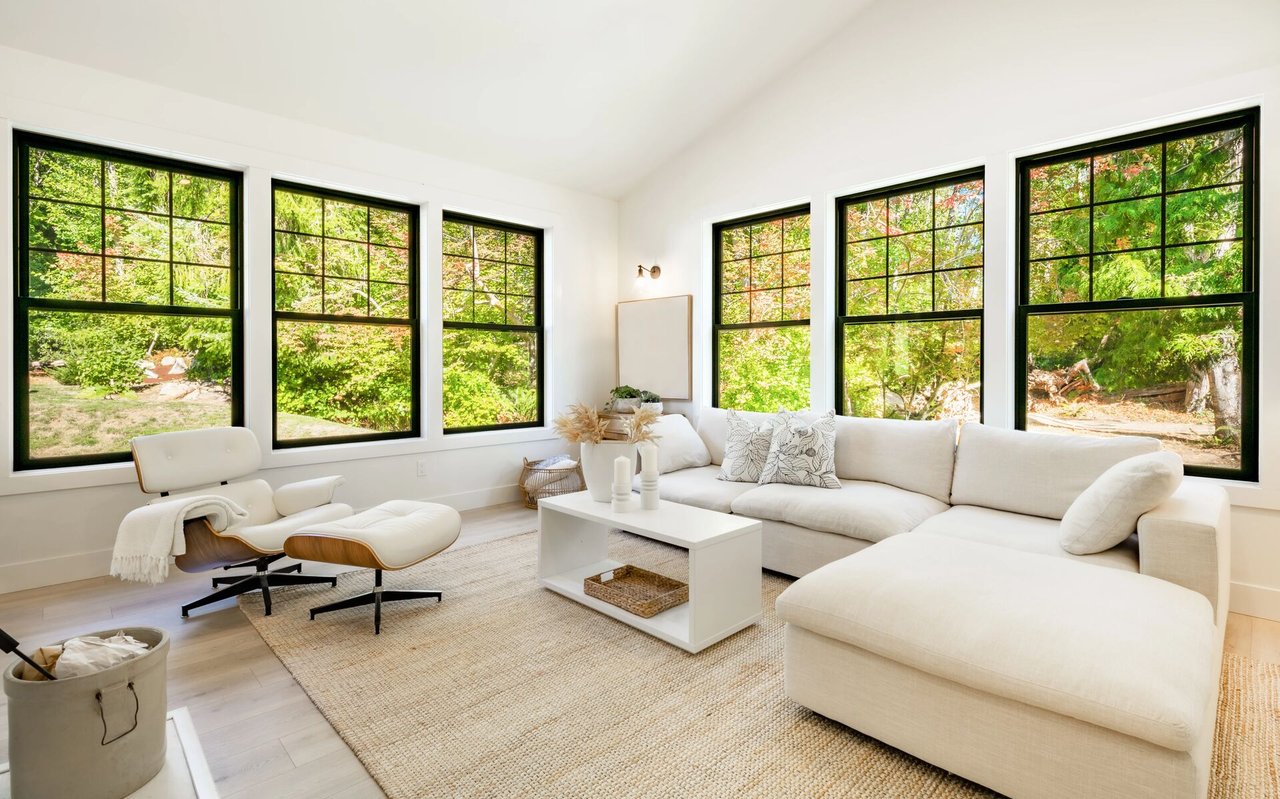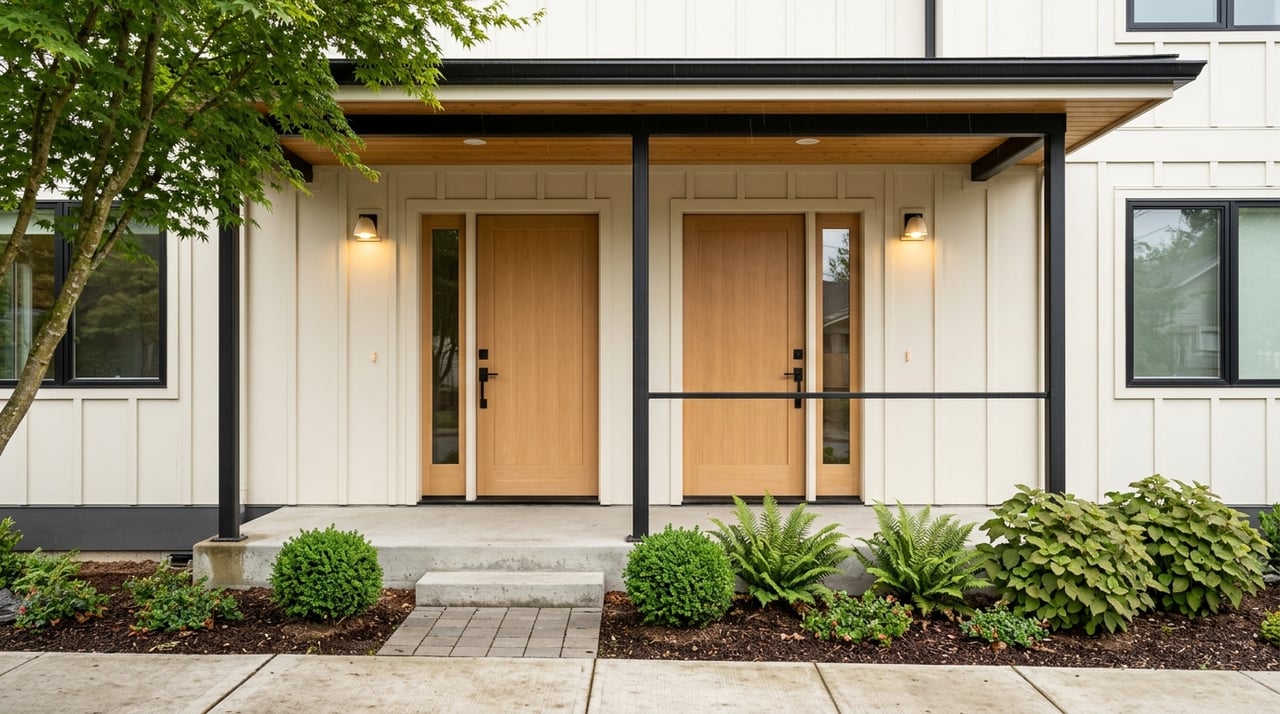
Wondering if house hacking could make homeownership in Vancouver more manageable? You are not alone. With home prices still competitive and rents holding steady, many buyers are looking at duplexes, ADUs, and other small-scale income options to offset monthly costs and build equity over time. This guide will walk you through what house hacking can look like in Vancouver, WA, what rules matter, and how to think about opportunities with a clear, practical lens. Let’s dive in.
Why house hacking matters in Vancouver
Vancouver remains a competitive market for buyers. According to Redfin’s Vancouver housing market data, homes received 2 offers on average, sold in about 18 days, and had a median sale price of $489,000 in March 2026. That kind of market pressure is one reason buyers are exploring ways to make ownership costs work harder for them.
Rent levels also shape the conversation. Zillow’s Vancouver rental market page shows an average rent of $1,831 as of April 17, 2026. While that does not guarantee positive cash flow on any given property, it does show why many buyers are thinking about a second unit, ADU, or shared-living setup as a way to reduce out-of-pocket housing expenses.
At the same time, Vancouver is adjusting its housing policies to allow more flexibility. The city’s 2024 Housing Report notes expanded allowances for ADUs and duplexes in single-family zones, even as units under construction in Q4 2024 were 55% below the 10-year historic average. That combination makes duplex and small multifamily opportunities especially relevant right now.
What house hacking looks like
House hacking usually means you live in one part of the property and rent out another part to help cover your mortgage and other ownership costs. In Vancouver, that often points buyers toward duplexes, homes with ADU potential, or properties where legal conversion and permitting may create future flexibility.
This is not always about buying a perfect investment property on day one. In many cases, it is about finding a home that fits your budget today while giving you options for long-term cost relief, equity growth, or future rental income.
A smart way to view house hacking in Vancouver is as a strategy to reduce housing costs, not as an automatic fast-profit plan. Between financing rules, permit review, vacancy risk, and maintenance, conservative planning matters.
Duplex opportunities in Vancouver
For many buyers, duplexes are the clearest house-hack option. The City of Vancouver’s residential building permits page specifically lists new construction of a duplex as a permitted residential project, and it notes that permits are generally required for new construction and many alterations.
That matters because a true duplex can offer the cleanest setup for owner-occupancy in one unit and rental income from the other. Compared with a more complicated conversion, a legal duplex may give you clearer expectations for layout, utility separation, and long-term use.
Still, duplex inventory may not always be easy to find in one concentrated area. Based on Vancouver’s recent policy changes, opportunities may appear more as scattered infill properties than in one dedicated duplex district. In practical terms, that means your search may need to stay flexible.
What to look for in a duplex
When you evaluate duplex opportunities, focus on both the property and the numbers.
Key questions to ask include:
- Is the property already configured and permitted as a duplex?
- Will one unit suit your day-to-day living needs?
- What is the realistic rent range for the other unit?
- What repairs or updates may affect your budget in the first year?
- Are utilities shared or separately set up?
- How will vacancy, maintenance, and reserves affect affordability?
A duplex can be a powerful tool, but only if the property works for your lifestyle and your financing plan.
ADUs as a fallback option
If a true duplex is hard to find, an ADU may be the next best option. The City of Vancouver’s ADU requirements page says ADUs are allowed as limited uses on all lots, up to two ADUs may be created per parcel, owner occupancy is not required, and no additional on-site parking is required as long as the main dwelling keeps its required space.
That flexibility opens up more possibilities for buyers who want a property with future income potential. It may also create opportunities for homeowners who buy now and add an ADU later, depending on the lot, budget, and permit path.
The same city page also notes that an ADU is legal only with an established building permit, and some projects may qualify for tax relief for up to three years. If you are considering a property because of its ADU potential, it is important to separate what is legally permitted from what simply seems possible.
Why site planning matters
Before you assume a property can support an ADU or another housing configuration, review the site details carefully. Vancouver’s residential site plan checklist says site plans for most permits must show property lines, setbacks, easements, driveway details, alley or right-of-way dimensions, trees, and buffers such as wetlands or streams.
If sewer, septic, or utility issues are involved, the city also flags the need for approvals through Clark County Public Health before permit approval. That means a property with great income potential on paper may still require more due diligence than expected.
Financing questions to ask early
The financing side of house hacking matters just as much as the property search. Your lender can help you understand whether projected rental income may count toward qualifying and what documentation will be required.
According to Fannie Mae’s rental income guidelines, rental income from the subject property may be considered for a one-unit principal residence with an ADU, a two- to four-unit principal residence where you occupy one unit, or a one- to four-unit investment property. Fannie Mae also says lenders may document rental income using Schedule E, a current lease, or other supporting forms.
For buyers exploring lower down payment options, FHA may also be part of the conversation. HUD says FHA-insured mortgages can be used for single-family homes, 2-4-unit properties, condos, townhomes, modular homes, and manufactured homes that meet FHA standards, with a minimum required investment of 3.5% in most cases.
If you are eligible for VA financing, that can be another strong path. The VA purchase loan page says you can use a purchase loan for a home with up to 4 units if you occupy one of them, and the program generally offers no down payment and no monthly mortgage insurance.
Questions to bring to your lender
Before you write an offer, ask direct questions such as:
- Can projected rent from the other unit count toward qualification?
- What documentation do you need to support projected rent?
- What reserve requirements apply to this type of property?
- Does the property fit conventional, FHA, or VA guidelines?
- How will the property be classified for underwriting?
- If there is an ADU, is it legal and financeable in its current form?
These questions can save you time, protect your budget, and help you focus only on properties that truly fit your plan.
Compliance rules you should not ignore
One of the biggest mistakes buyers make is focusing only on income potential and skipping the local rules. In Vancouver, that can create problems later.
The city’s rental registration program says all owners of residential rental properties within city limits must register annually starting January 1, 2026. The fee is $30 per unit after the free period. Duplex rentals are not exempt even when the owner lives onsite, although the owner-occupied unit is exempt.
This is a good example of why house hacking works best as a long-term, regulation-aware strategy. If you plan to rent part of your property, you should understand the ongoing administrative requirements from the start.
Short-term rental rules are different
Some buyers wonder whether short-term rentals could produce more income than a traditional tenant. In Vancouver, that path has more restrictions.
The city says on its short-term rental permit page that short-term rentals in residential zones were not previously allowed except under bed-and-breakfast provisions, and current short-term rentals require a city business license and a one-time permit. If your budget depends on short-term rental income, make sure you understand that process before you buy.
For many buyers, the safer approach is to underwrite the property based on long-term rental use instead of assuming short-term revenue.
How to evaluate a Vancouver house hack
A good house hack should make your monthly housing picture more stable, not more stressful. That starts with realistic assumptions.
Use local rent data as a benchmark, not a promise. Zillow’s rent data for Vancouver can help you build a rough estimate for gross rent, but you still need to factor in vacancy, repairs, maintenance, insurance, registration costs, and future updates.
Here is a simple framework to use as you compare properties:
- Confirm the property type: Verify whether it is a legal duplex, a home with a legal ADU, or a property with future conversion potential.
- Review permit and site constraints: Check setbacks, easements, utilities, and any site issues that could affect use.
- Talk to your lender early: Understand how rental income may be treated before you shop too far ahead.
- Run conservative numbers: Plan for maintenance, reserves, and possible vacancy.
- Think long term: Ask whether the property still works for you if rents soften or repairs come sooner than expected.
In a market like Vancouver, the right house hack is usually the one that gives you flexibility and stability first, with upside second.
Why local guidance matters
House hacking sounds simple online, but in practice it often comes down to details. One property may look similar to another, yet have a very different permit history, financing path, or rental setup.
That is where local market knowledge can make a real difference. If you are searching in Vancouver or elsewhere in Clark County, it helps to work with someone who can spot whether a property is truly a duplex opportunity, whether an ADU path looks realistic, and how to weigh the tradeoffs between lifestyle, financing, and long-term resale.
If you are exploring duplexes, ADU properties, or other income-minded homes in Vancouver, working with LeAnne Moore can help you narrow the options, ask smarter questions, and move forward with confidence.
FAQs
What is house hacking in Vancouver, WA?
- House hacking in Vancouver usually means living in one unit or portion of a property while renting out another unit, such as the second side of a duplex or an ADU, to help offset housing costs.
Can you buy a duplex with FHA in Vancouver, WA?
- Yes, HUD says FHA-insured mortgages can be used for 2-4-unit properties that meet FHA standards, and the minimum required investment is 3.5% in most cases.
Can VA buyers purchase a duplex in Vancouver, WA?
- Yes, the VA purchase loan program can be used for homes with up to 4 units if the veteran occupies one unit.
Does Vancouver require rental registration for duplex house hacks?
- Yes, the City of Vancouver says duplex rentals are not exempt from its annual rental registration program, even when the owner lives onsite, though the owner-occupied unit is exempt.
Are ADUs allowed in Vancouver, WA?
- Yes, the City of Vancouver says ADUs are allowed as limited uses on all lots, up to two ADUs may be created per parcel, and owner occupancy is not required.
Can short-term rentals be part of a house hack in Vancouver?
- Possibly, but Vancouver requires a city business license and a one-time permit for short-term rentals, so buyers should verify current rules before relying on that income strategy.