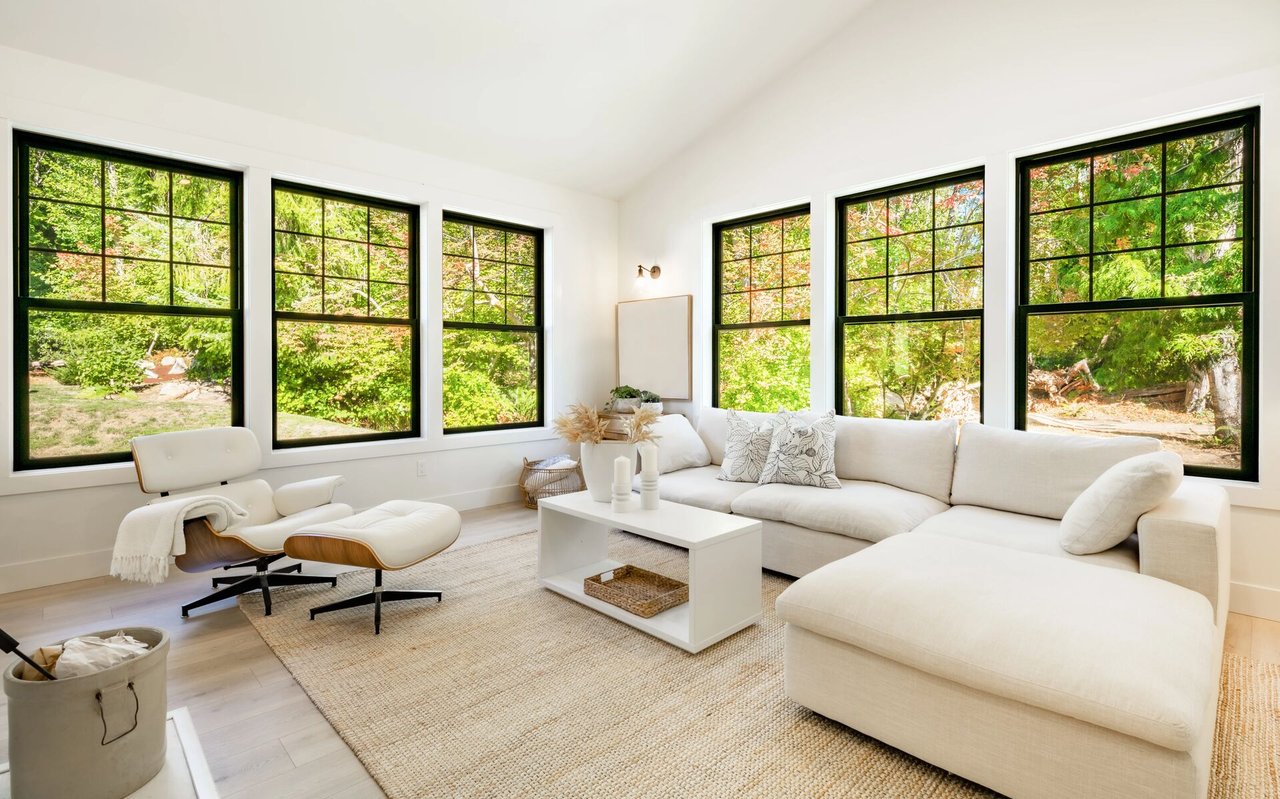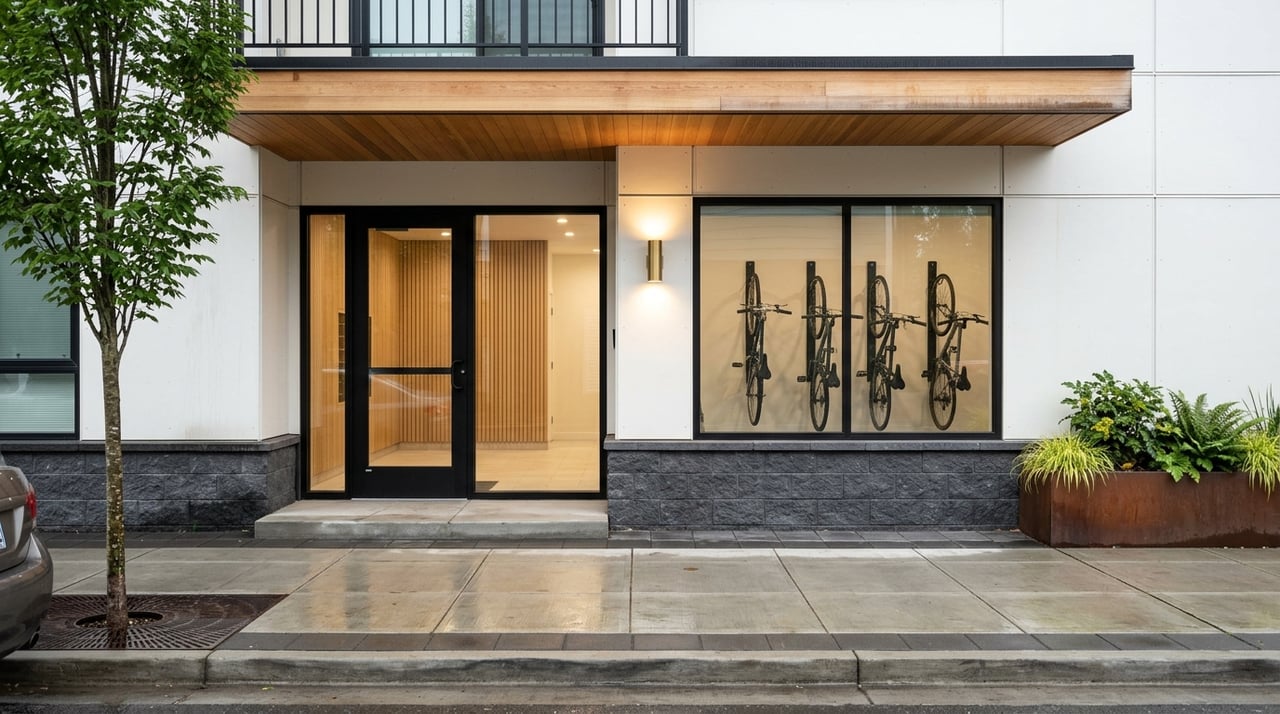
Wondering if you can really live with less car use in Downtown Vancouver? The short answer is yes, for many households, but probably not in the all-or-nothing way people sometimes imagine. If you are weighing a move to the urban core, this guide will help you understand where car-light living works well, where it gets tricky, and what to think about before you buy. Let’s dive in.
What car-light living means
Car-light living usually means you still have access to a car, but you do not need to use it for every daily task. Instead, you rely on a mix of walking, biking, transit, and occasional driving.
In Downtown Vancouver, that distinction matters. Based on the City of Vancouver’s planning direction, downtown is one of the places in the city most aligned with walkable, mixed-use living. That makes it the strongest fit in Clark County for buyers who want to reduce car dependence without giving up convenience.
Why Downtown Vancouver stands out
Downtown Vancouver has a compact layout that supports a more flexible daily routine. The area includes a mix of historic and newer buildings, active streets, public spaces, and a concentration of restaurants, shops, and entertainment near the core.
For many residents, that means some daily needs can happen on foot. Public information for the area highlights coffee shops, boutiques, Kiggins Theatre, breweries, Esther Short Park, the Vancouver Farmers Market, and nearby destinations in the broader downtown walking area like Fred Meyer, Walgreens, and Fort Vancouver Library.
That does not mean every errand becomes walkable. It does mean your day-to-day life may involve far fewer car trips if your routine centers on downtown and the waterfront.
What you can likely do without driving
If you live in the right part of downtown, you may be able to handle many short trips without getting in your car. This tends to work best when your favorite places and regular stops are clustered near your home.
A car-light routine in Downtown Vancouver may include:
- Walking to coffee shops, restaurants, and casual meetups
- Visiting Esther Short Park or the waterfront
- Shopping at the Vancouver Farmers Market
- Running select errands in the downtown core
- Going out for entertainment near the center of downtown
- Biking or walking for recreation on the riverfront trail
For buyers who want more lifestyle flexibility, this is a big advantage. You are not just buying a home. You are buying access to a more connected daily rhythm.
Transit makes the lifestyle more realistic
Transit is one of the biggest reasons car-light living is realistic downtown. C-TRAN provides service that is meaningfully stronger here than in many suburban-style areas.
According to C-TRAN’s visitor information, downtown and the waterfront connect to The Vine on Fourth Plain, The Vine on Mill Plain, Route 71, Route 32, Route 60 to Portland and the MAX Yellow Line, and The Current on-demand service to and from the Amtrak station. Route 105 also goes directly to downtown Portland on weekdays.
That matters if you commute, work hybrid, or simply want more options. Downtown Vancouver gives you a practical way to reduce driving while still staying connected to other parts of the region.
Transit hours and cost
C-TRAN says buses generally run from about 4:30 AM to 1:00 AM on weekdays and about 6:00 AM to 12:30 AM on weekends. For many buyers, that service span is wider than expected.
C-TRAN also lists local adult fare at $1.50 per ride with a $4.25 daily cap. For households trying to keep transportation costs manageable, that can make regular bus use a realistic part of the monthly budget.
A strong option for Portland commuters
If you work in Portland, Downtown Vancouver deserves a close look. Route 60 connects to the MAX Yellow Line, and Route 105 offers direct weekday service to downtown Portland.
That does not make every commute simple for every schedule. Still, compared with much of Clark County, downtown offers one of the clearest paths to a mostly car-light routine for people traveling across the river.
Walking and biking are real assets
Walking and biking are not just nice extras in Downtown Vancouver. They are central to how the area functions.
One of the biggest strengths is the Columbia River Renaissance Trail. The City says the trail begins at Esther Short Park and runs five paved miles along the waterfront before continuing east toward Wintler Park. It is designed for walking, jogging, biking, and rollerblading.
For many buyers, that trail changes how a neighborhood feels on a daily basis. It creates a built-in option for exercise, fresh air, and short non-car trips that many other areas simply do not offer.
Bike infrastructure supports short trips
The City has also invested in mobility improvements west of I-5. Its Columbia Street Safety and Mobility Project added features such as parking-protected mobility lanes, buffered lanes, enhanced crossings, and bike boxes along a north-south route connecting neighborhoods between the Burnt Bridge Creek Trail and the Vancouver Waterfront.
The City’s Transportation System Plan describes Vancouver’s network as including streets, sidewalks, bicycle routes, bus routes, trails, and ADA-accessible facilities. In practical terms, downtown is set up better than most local areas for short trips by foot or bike.
Where car-light living gets harder
Downtown Vancouver is car-light friendly, but it is not universally car-free. That is an important difference if you are deciding between downtown and a more conventional neighborhood.
Some errands may still require planning, transit timing, or occasional driving. Larger shopping runs, regional appointments, and frequent trips across Clark County are where a no-car lifestyle may start to feel less convenient.
This area tends to work best for people who are comfortable using a mixed-mode routine. You might walk to dinner, bike the waterfront, take transit into Portland, and still keep a car for bulk shopping or longer weekend errands.
Housing types support lower-car living
Downtown housing trends also support this lifestyle. A City redevelopment assessment says Downtown Vancouver can support a range of residential types, from moderate-density townhomes to high-density multifamily development.
That kind of housing often pairs well with a lighter driving pattern. When homes are closer to services, shops, parks, and transit, it becomes easier to replace some car trips with walking or transit use.
The Waterfront Gateway project points in the same direction. The City says the area is planned as a mixed-use district with future residential buildings, ground-floor retail, a separate parking garage, and a 95-unit affordable housing project under construction.
Parking still matters
Even in the most walkable part of Vancouver, parking is still part of the equation. The City’s downtown parking information lists on-street spaces, garages, and monthly permit options, with rules and rates that vary by district.
Some permits are limited to residents and building employees. That means buyers should not assume parking is unlimited or automatic just because a home is downtown.
If you are shopping for a condo, townhome, or apartment-style property, parking deserves careful review. For one-car households especially, the details can shape how easy daily life feels after move-in.
Who is a good fit for downtown car-light living
This lifestyle tends to work best if your habits already align with the neighborhood. You do not need to be fully car-free to benefit from downtown’s layout.
Downtown Vancouver may be a strong fit if you:
- Want to walk to restaurants, parks, and events
- Like the idea of biking or using trails regularly
- Commute to Portland or want transit as a backup option
- Prefer a condo, townhome, or urban-style living setup
- Are comfortable planning some errands around transit, distance, or parking
- Expect to keep one car instead of relying on two
It may be less ideal if you drive often across Clark County, want every errand to be walkable, or strongly prefer abundant and simple parking.
What buyers should ask before making a move
If you are seriously considering downtown, it helps to think beyond the home itself. The right property for a car-light lifestyle is often the one that lines up best with your weekly habits.
Before you buy, consider asking:
- How far is the home from the places I use most often?
- What transit routes are nearby, and do they fit my schedule?
- Is there dedicated parking, permit parking, or guest parking?
- Could I handle grocery trips without driving every time?
- Do I want daily walkability, waterfront access, or Portland commuting options most?
These questions can quickly reveal whether downtown will feel freeing or frustrating for your lifestyle.
The bottom line on Downtown Vancouver
Yes, car-light living is realistic in Downtown Vancouver, especially compared with most of the rest of Clark County. The combination of walkable destinations, stronger C-TRAN access, bike and trail infrastructure, and evolving urban housing makes it the city’s most practical setting for reducing car use.
At the same time, most buyers will find that downtown works best as a car-light environment rather than a fully car-free one. If you want a home base where you can walk more, drive less, and still stay connected to Vancouver and Portland, downtown deserves a serious look.
If you want help comparing downtown homes, weighing commute patterns, or figuring out whether an urban lifestyle fits your goals, reach out to LeAnne Moore for local guidance tailored to how you actually live.
FAQs
Is Downtown Vancouver, WA walkable for daily life?
- Downtown Vancouver is one of the city’s most walkable areas, with access to parks, restaurants, coffee shops, entertainment, the Farmers Market, and some everyday errand stops within the broader downtown area.
Is transit in Downtown Vancouver, WA good enough for a car-light lifestyle?
- For many households, yes. C-TRAN serves downtown with multiple routes, service to Portland connections, broad operating hours, and a daily fare cap that can support regular transit use.
Can you live completely car-free in Downtown Vancouver, WA?
- Some people may be able to, but the more realistic fit for most buyers is a car-light lifestyle where walking, biking, and transit cover many trips while a car still helps with larger errands or regional travel.
Does Downtown Vancouver, WA have bike-friendly infrastructure?
- Yes. Downtown benefits from the Columbia River Renaissance Trail and City mobility improvements such as protected or buffered lanes, enhanced crossings, and connections toward the waterfront.
Should homebuyers in Downtown Vancouver, WA pay close attention to parking?
- Yes. Downtown parking is available through on-street spaces, garages, and permit options, but availability, pricing, and rules vary by district and building.